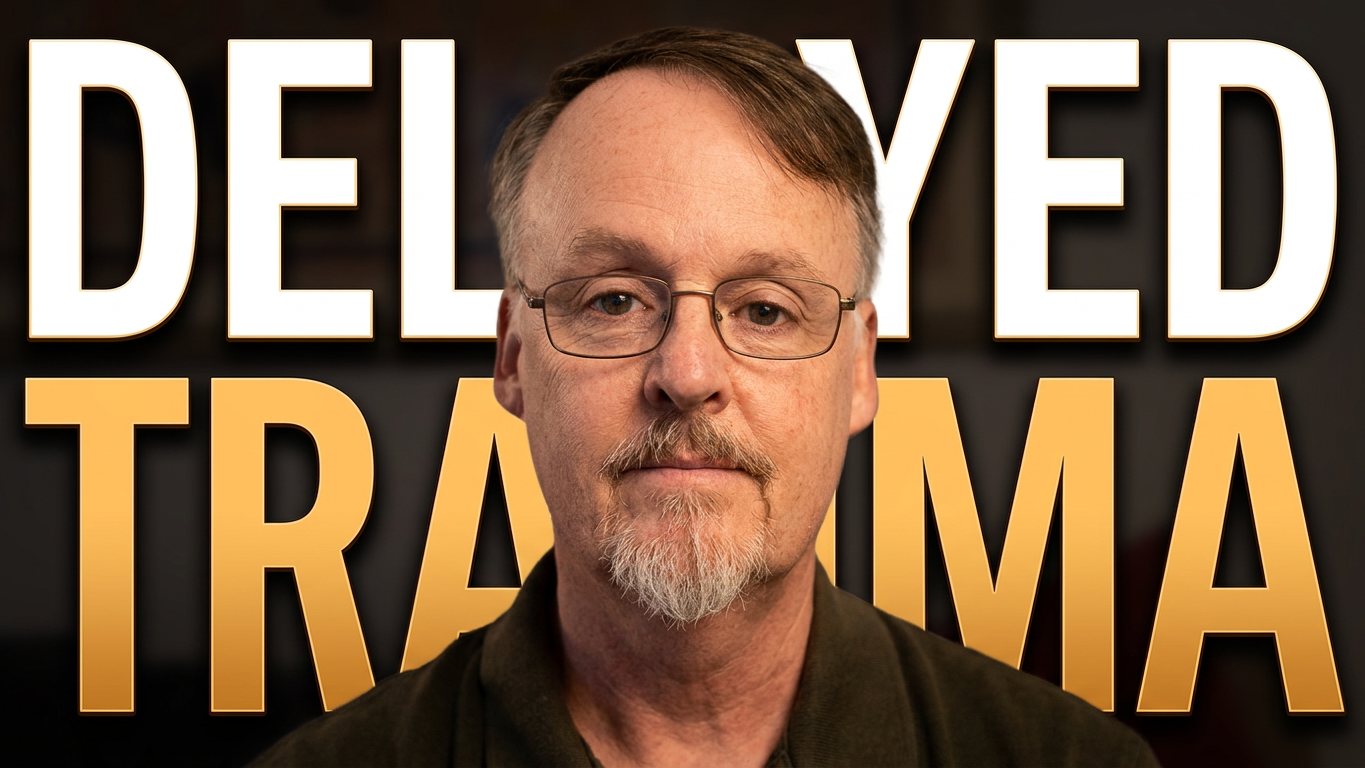
Video · 3 minutes · Trauma · Addiction
People with developmental trauma and C-PTSD often self-medicate. Legal habits can stall therapy as much as alcohol or other drugs. This short video is about that pattern — not a substitute for addiction treatment.
What this video covers
- Self-medication after developmental trauma and C-PTSD
- Legal habits: sex compulsion, porn, weed, video games, social media, binge eating, alcohol
- Cost to partners and family when the habit is exposed
- Why untreated compulsion is a common reason psychotherapy does not take
- The brain needs a healthier state to change
Key takeaways
- A “crutch” that never comes off keeps the emotional muscles from getting stronger.
- Treatment-resistant depression, stuck anxiety, and stalled trauma work often have a habit in the picture.
- The habit is rarely only private. Partners, kids, coworkers, and the workplace often pay.
- Naming the compulsion is not moralizing. It is asking whether the brain is in a condition to learn.
- This page is not detox, 12-step, or dual-diagnosis care. If use is unsafe, get medical or addiction help as well as trauma therapy.
Who this is for
Adults in trauma therapy — or considering it — who already know a daily habit is doing some of the regulating.
Next step
If you are a California resident and want to discuss fit, request a consult.
Transcript
Trauma, Self-Medication and Addictions
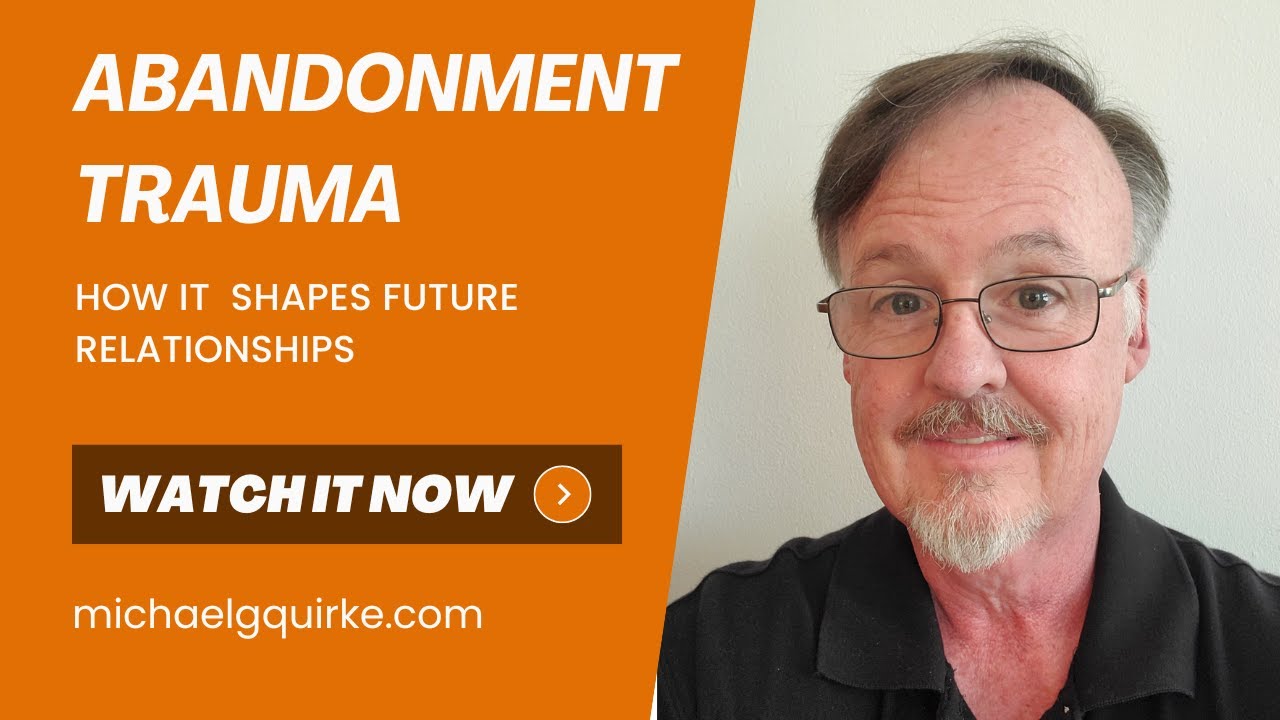
Hey everybody, it’s Michael Quirke. I work with people who have been through a lot. The practice is specialized: every day I see men and women with developmental trauma, much of it complex trauma or C-PTSD.
It is very frequent that people who have been through a lot of trauma self-medicate. They struggle with addictions, compulsions, and hard-to-stop habits. I have seen a disturbing trend: a large number of people struggling with legal addictions. I cannot tell you how many people I have worked with who have been caught in sex addiction — including paid sex and strip clubs — and who have lost partners when that was exposed. I see people addicted to video games in a way that harms their life.
Probably the number one reason I see people not get better in psychotherapy is that there is an addiction in the picture.
If you have treatment-resistant depression, an anxiety disorder that is not moving, or a trauma history and you are using drugs or alcohol, look at whether a compulsion is preventing your brain from growing and changing. The brain needs a healthy enough state to grow emotionally.
People call drug and alcohol use a crutch. You do not want to walk on a crutch forever. You want to strengthen the emotional and mental muscles. You do not want to depend on porn, weed, booze, Instagram, binge eating — whatever the compulsion is — just to get through the day. You can aim higher. That is why I am talking more about addictions.
Be honest about whether the use is harming other people. Addictions and compulsions are rarely confined to your private life. They often affect kids, partners, family, neighbors, coworkers, and the company you work for. Be real about what is going on.
Thanks for watching and listening.
Educational content only. Not addiction treatment, detox, a diagnosis, or a crisis service. If use is a medical emergency, call 911. For substance-use support in the U.S., SAMHSA’s helpline is 1-800-662-HELP (4357). Psychotherapy is available to California residents.