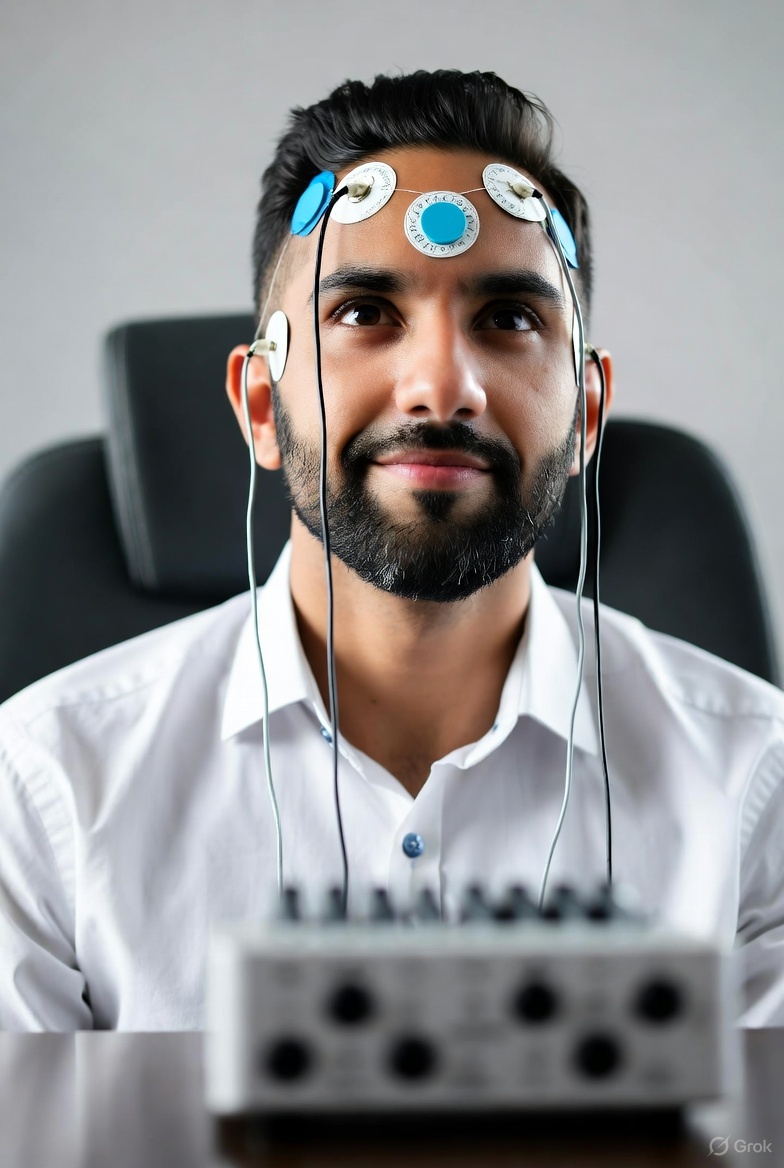
 Thinking about doing some neurofeedback therapy? If so, one of the questions you might have is how long your therapy will take. In fact, regardless of the therapy modality, many people wonder how long it will be before they meet their goals. That’s a great question and in this post, I’ll do my best to provide you with a guideline. So when starting neurofeedback, how many sessions should you plan for?
When considering neurofeedback, how many sessions you require can is a factor that can significantly influence your outcome.
The truth is that when it comes to therapy, no one- size- fits- all treatment exists. If it does, I’ve never heard of it. We are all unique and bring our own personal histories, strengths and weakness to the table. One person can transform their lives in few months, while someone benefit from years of therapy. That’s true of neurofeedback therapy too.
Many people ask about neurofeedback how many sessions they should commit to for optimal results.
So consider this analogy. Imagine going to a physical therapist. How many sessions would you need? Well, that depends on a number of factors. If you are person that has a simple and minor injury, if you are are already in good shape, then you are likely to progress quickly. You may even get immediate and profound relief from your very first session.
Determining neurofeedback how many sessions you might need involves assessing your unique circumstances.
But if you have several different injuries, and other medical problems, your recovery may be a bit slower. Generally speaking, a teenager will rapidly respond, while a senior citizen will struggle to progress. And that’s exactly what I’ve seen with my neurofeedback patients too.
Similarly, how long would it take you to become a good tennis player? The answer to that question would also depend on a number of different factors. If you are a person who is very coordinated, and has played other sports, you are likely to progress pretty quickly. But if you have injuries, or medical problems, your path might be a bit slower. If you are already healthy strong and fit, you will likely learn quickly. A five year old has a brain that is primed for rapid learning. So it’s likely he or she will soak up their tennis lesson. But an 80 year old will likely struggle to progress.
So, when thinking about how many sessions neurofeedback will take, it’s good to consider the specifics of your goal. What exactly is your goal? If your goal is to be able to hit a tennis ball and keep it on the court, you can likely learn that pretty quickly. But if you want to become a tennis pro, you will likely want to invest hundreds, if not thousands of hours into learning to play tennis.
Reflecting on neurofeedback how many sessions can provide clarity on your treatment path.
So, think about your mental health goals. If you struggle with anxiety, it your goal simply to be able to better manage your anxiety? Or is it to fully resolve an anxiety disorder. Both are possible and the course of treatment will likely be a different for each.
Thinking about neurofeedback how many sessions will work best for your condition is crucial for success.
When talking with patients, I like to use the above analogies because neurofeedback (EEG biofeedback) is a form of brain training. In training sessions we are helping your brain learn a new way of operating.
Neurofeedback- How Many Sessions Will You Need?
Understanding neurofeedback how many sessions can significantly impact your healing journey.
Most of my clients see obvious results starting to appear within the first 10 sessions. In fact, many people feel the effects of the training in the moment. Others have to be more of detective and look for signs of change.
On average, those curious about neurofeedback how many sessions they need will find a range of answers.
On the whole, the effects of neurofeedback training build over time, and it takes time for all of our brains to learn.
When planning your neurofeedback training, some factors to consider are:
- How long have you had the problem?
- How severe is it?
- Are you in general good health?
- How strongly motivated are you?
- Is completing the job you want to do? Are you looking for a bit of relief, or do you really want a full and complete recovery?
- Do you have one problem you’d like to address, or a few?
In my practice, clients length of treatment has varied widely. On the one hand I’ve had a few “super-responders”. Their brains took to training like a fish takes to water. They raced right out of the gate in their initial brain training session and completed their training in about 15-20 sessions.
Clients often inquire about neurofeedback how many sessions are typical for various conditions.
But others took longer to reach their treatment goals and have them stick. Typically, these clients had complex presentations. A majority of my patients are struggling with early life trauma, so they often qualify for diagnostic descriptions such as C-PTSD (Complex Post Traumatic Stress Disorder). With presentations like this come a host of difficult challenges such as stress related medical conditions, chronic anxiety, chronic depression and relationship problems. Indeed, the bulk of my caseload has been working with clients who struggle with multiple, severe long standing symptoms. Many have survived early life trauma. Quite a few of them suffered from the effects of traumatic brain injury (TBI).
Each client’s journey with neurofeedback how many sessions needed varies based on individual challenges.
In short, if we meet from an initial consultation, I’ll be better able go give you a guideline about what you can expect. In the meantime, I suggest that you consider to committing to 20 session of brain training. For most people, that is enough to make some initial progress. For others, it’s a good start.
Ultimately, discussing neurofeedback how many sessions are right for you can help set realistic expectations.
If It’s Worth Doing, It’s Worth Doing Right
Here is my final thought.
Generally speaking, most people are doing themselves no great favor by looking for a quick fix. Any form of therapy that is truly healing and transformational will take some time. Much needless suffering is the result of people seeking a shortcut in their efforts to heal their mental health issues. As my grandfather used to say, “If it’s worth doing, it’s worth doing right”. In the long run, so much time, money and energy are wasted by seeking “quick and dirty” solutions to life problems.
Remember, when evaluating neurofeedback how many sessions are required, patience and commitment are key.
Please click here if you want to learn more about Neurofeedback Therapy? My site has plenty of information about this therapy modality and I hope you find it helpful!
If you’re exploring neurofeedback how many sessions you might need, resources are available for further guidance.