Neurofeedback For Memory Improvement:
How Brain Training Supports Clarity, Focus, and Recall in Therapy
By Michael G. Quirke, M.A., LMFT – San Francisco & Palo Alto

If you’ve ever walked into a room and forgotten why you went there, struggled to remember details from a conversation, or felt like your mind is foggy when trying to focus on work or relationships, you’re not alone. Memory challenges are incredibly common—especially among people dealing with anxiety, ADHD, trauma, depression, or the high-pressure demands of modern life in the Bay Area.
Utilizing neurofeedback for memory improvement can help individuals enhance their cognitive abilities.
In my practice as a Licensed Marriage and Family Therapist with over 25 years of experience, I’ve seen how these issues often stem from or are worsened by dysregulated brain patterns. That’s why I integrate neurofeedback (also called EEG biofeedback or neurotherapy) as a powerful, technology-assisted tool alongside proven modalities like EMDR, Internal Family Systems (IFS), and somatic/sensorimotor psychotherapy.
Neurofeedback for memory improvement offers a unique approach to addressing memory issues.
Neurofeedback isn’t just “brain training” in the abstract—it’s a personalized way to help your brain learn better habits for focus, emotional regulation, and memory processing. In this post, I’ll explain how it works for memory improvement, the specific protocols I draw from in my San Francisco and Palo Alto offices, who tends to benefit most in my clinical work, and what you can realistically expect.
By engaging in neurofeedback for memory improvement, clients can experience significant benefits.
Neurofeedback for memory improvement Improvement: represents a significant advance in cognitive enhancement technques. I is increasingly recognized as an effective therapy.
What Is Neurofeedback and How Does It Relate to Memory?
Let’s talk about the process of neurofeedback for memory improvement.
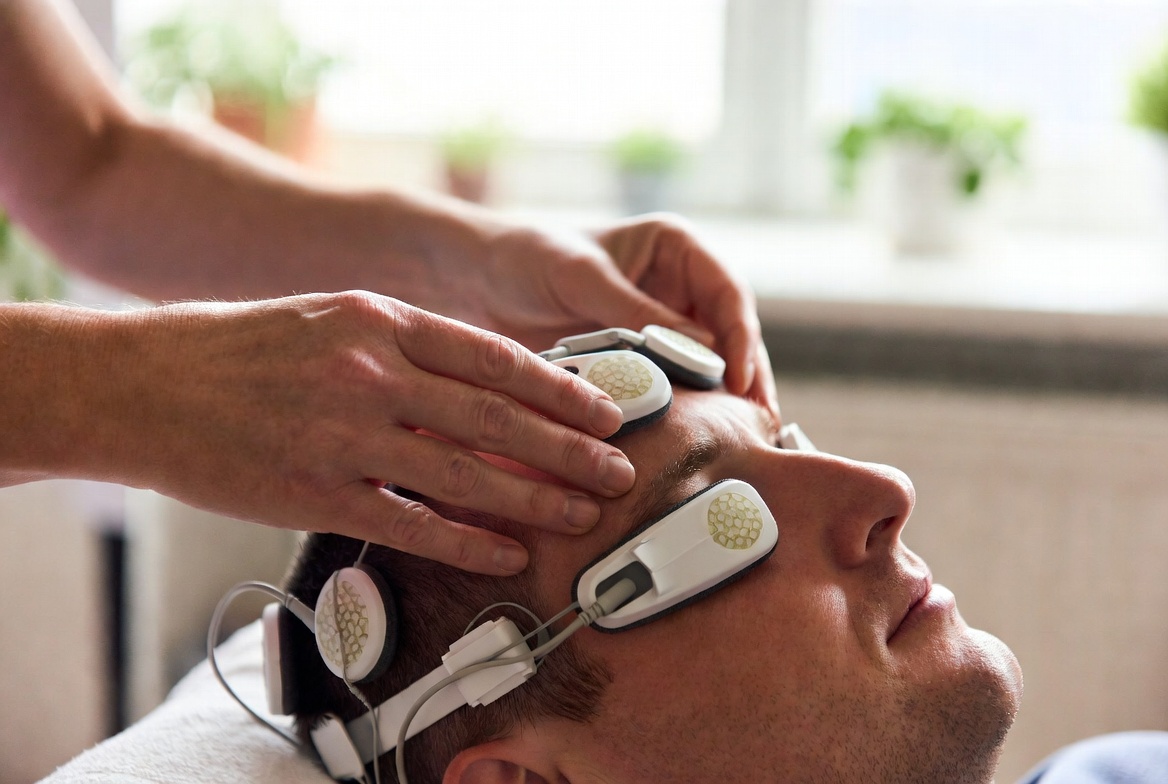
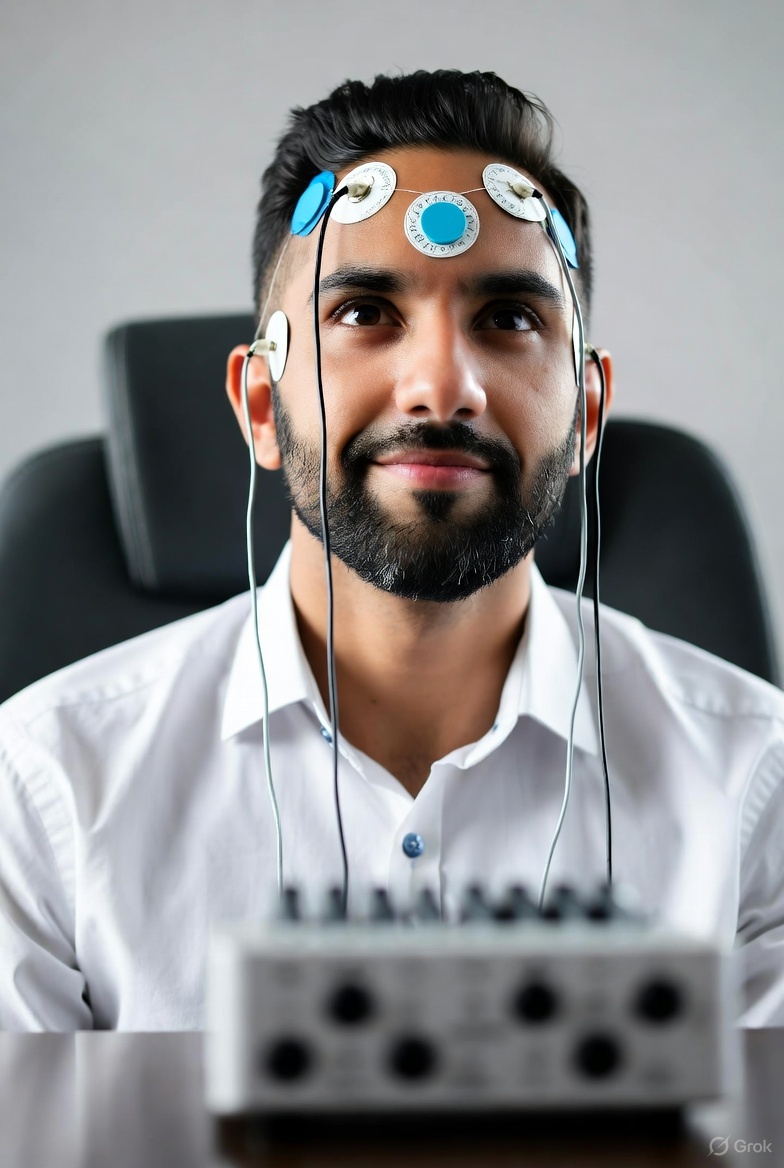
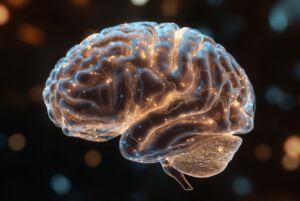
Neurofeedback uses real-time EEG (electroencephalogram) feedback to help you retrain your brainwave patterns through neuroplasticity—the brain’s natural ability to reorganize and form new connections. Sensors on your scalp measure brain activity while you watch a screen or listen to audio cues. When your brain produces more desirable patterns (like calm focus or efficient processing), you receive positive feedback, such as a game advancing or a tone changing. Over sessions, your brain learns to sustain these patterns on its own.
Through the use of neurofeedback for memory improvement:, individuals learn to optimize their brain activity.
You see, memory isn’t stored in one single spot—it involves networks for encoding new information (working/short-term memory), consolidating it into long-term storage, and retrieving it later. Factors like stress, trauma, ADHD-related attention deficits, anxiety, or chronic overwhelm can disrupt these networks, leading to:
- Poor working memory (holding and manipulating information briefly)
- Difficulty concentrating, which indirectly impairs recall
- Fragmented or intrusive memories (common in trauma)
- Brain fog or “mental fatigue”
Research, including meta-analyses, shows that targeted neurofeedback can improve working memory and aspects of episodic memory with moderate effect sizes, particularly when protocols are individualized and training is consistent.
Neurofeedback for memory improvement has been shown to enhance cognitive performance.
In my practice, I view neurofeedback as “applied neuroscience” that complements deeper therapeutic work. It helps create the stable brain state needed for talk therapy to be more effective—whether we’re processing traumatic memories with EMDR or exploring internal “parts” with IFS.
How Neurofeedback Supports Different Types of Memory
Working Memory and Focus (Often Alpha Protocols)
Working memory is like your brain’s mental workspace. It’s crucial for following conversations, planning tasks, learning new skills, and
managing daily life. Many of my clients with ADHD, high-achiever anxiety, or trauma histories report “my brain feels scattered” or “I can’t hold onto information.”
Alpha neurofeedback—particularly training to increase upper alpha or individualized alpha frequency (IAF) power, often at parietal sites—is frequently associated with improvements in attention and working memory capacity. By helping the brain achieve a state of relaxed alertness, it reduces mental noise and enhances the brain’s ability to filter and hold relevant information.
Clients often notice better focus during sessions and carry that into work or relationships. For high achievers who feel their anxiety is sabotaging performance, this can be transformative.
Memory Consolidation and Episodic/Emotional Memory (Often Theta Protocols)
Episodic memory involves personal experiences and stories—exactly the kind of material we work with in trauma therapy. Theta waves are linked to hippocampal activity and the consolidation process (turning short-term experiences into stable long-term memories).
Theta neurofeedback, or combinations like theta with low beta, can support healthier consolidation. This is particularly relevant for trauma survivors dealing with fragmented memories, difficulty recalling positive experiences, or intrusive recollections. By optimizing these rhythms, neurofeedback may help the brain “file away” experiences more adaptively.
Over and over in my practice, I’ve withnessed how implementing neurofeedback for memory improvement can transform therapeutic outcomes.
In my integrative approach, we often pair this with EMDR (to reprocess stuck memories) or somatic work (to release embodied trauma patterns that affect cognitive clarity).
Overall Brain Efficiency and Reduced “Fog”
Many clients with anxiety, depression, or complex PTSD describe cognitive symptoms like slow processing speed or mental exhaustion. Neurofeedback protocols that improve overall regulation (including alpha-theta combinations or infra-slow frequency training) can enhance general cognitive resilience. When the nervous system is less chronically activated, resources become available for clearer thinking and better memory function.
Protocols I Use and Personalize in My Practice
Incorporating neurofeedback for memory improvement: is key to individualized care.
Every brain is unique, which is why I emphasize individualized assessment. In my offices in San Francisco’s Financial District and Palo Alto, a typical process includes:
- Comprehensive Intake — A 90-minute session to understand your history, symptoms (including specific memory complaints), and
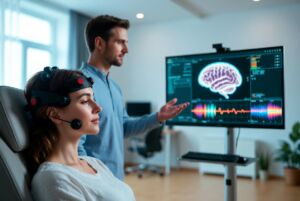
goals. We discuss how memory issues intersect with trauma, ADHD, anxiety, or other concerns.
- EEG Assessment/Brain Mapping — To identify your baseline patterns and guide protocol selection.
- Tailored Training Sessions — Usually 20–45 minutes, 2 or more times per week initially. You might watch visual feedback (like a bar or game) or hear auditory cues while your brain is gently guided.
Common memory-supportive approaches I draw from include:
-
- Alpha upregulation (broad or upper/individualized alpha) for working memory and focus.
- Theta training or alpha-theta combinations for consolidation and deeper states.
- Integrated protocols (e.g., alpha with cognitive elements or theta/low-beta) based on your needs
- Advanced neurofeedback options like LORETA/sLORETA or infra-slow frequency when appropriate for deeper regulation.
I often combine neurofeedback with your ongoing psychotherapy—whether that’s EMDR for memory reprocessing, IFS for working with parts that hold memory-related beliefs, or somatic/sensorimotor psychotherapy to address how trauma lives in the body and affects cognition. This multimodal approach is one of the strengths of my practice: neurofeedback isn’t a standalone gadget; it’s woven into comprehensive, trauma-informed care.
Who Benefits Most from Neurofeedback for Memory in My Work?
In over two and a half decades of specializing in trauma, complex PTSD, developmental trauma, anxiety, ADHD, and related conditions, I’ve found neurofeedback particularly helpful for:
Individuals seeking clarity of mind can greatly benefit from neurofeedback for memory improvement:
I regularly use these brain training techniques with:
-
- Trauma survivors — Who experience memory gaps, intrusive thoughts, or difficulty integrating experiences. NF can support the stable state needed for effective EMDR or parts work.
- Adults with ADHD — Where working memory deficits are core; training can complement other strategies for focus and executive function.
- High achievers with anxiety — Who notice perfectionism or worry interfering with recall and performance
- People with brain fog from depression, chronic stress, or functional neurological symptoms — Helping restore clearer mental processing.
- Anyone wanting cognitive optimization — Even without a formal diagnosis, many clients seek better mental clarity and resilience.
Results vary, of course. Neurofeedback is most effective as part of a broader plan and when clients are actively engaged. It’s not a quick fix or magic pill, but many report noticeable improvements in focus, emotional regulation, and cognitive ease within 10–20+ sessions, with benefits building over time.
And the good news is, the advantages of neurofeedback for memory improvement extend beyond initial training.
What to Expect and Realistic Outcomes
Those interested in cognitive enhancement should consider neurofeedback for memory improvement as a viable option.
Sessions are non-invasive and generally relaxing or engaging (many people compare it to meditation or a video game). You remain in control, and we adjust based on your feedback. Some clients notice changes in sleep, mood, or focus early on; memory-specific improvements often become more apparent as training progresses and new brain habits solidify.
Because I’m a licensed therapist (not just a technician), we integrate insights from neurofeedback directly into your therapy. You’ll gain not only better brain function but also deeper self-understanding and practical tools.
Evidence from clinical studies and meta-analyses supports benefits for working memory and related cognitive functions, especially with sufficient training duration. However, individual results depend on many factors, including consistency, protocol fit, and addressing root causes through therapy.
Engaging with neurofeedback for memory improvement can lead to sustainable cognitive benefits.
Is Neurofeedback Right for You?
If memory challenges are affecting your work, relationships, or daily life—particularly alongside anxiety, trauma history, ADHD symptoms, or feeling “stuck”—neurofeedback may be a valuable addition to your healing journey.
Many find that neurofeedback for memory improvement is a necessary component of their treatment.
I offer in-person neurofeedback at my San Francisco and Palo Alto offices (it’s location-specific), while talk therapy and coaching are available online for California residents (and coaching more broadly).
Ready to explore how brain training could support clearer thinking and better memory as part of your personalized treatment plan? I invite you to schedule a complimentary 15-minute consultation or our structured 90-minute intake to discuss your goals.
Discover how neurofeedback for memory improvement can integrate into your life.
Contact me today here:
Together, we can help your brain work with you instead of against you—so you can feel more present, capable, and in control.
About Michael G. Quirke, M.A., LMFT – Advocate of Neurofeedback For Memory Improvement:
Michael G. Quirke is a Certified IFS Therapist, Certified Advanced Sensorimotor Psychotherapist, EMDR-trained clinician, and neurofeedback practitioner with offices in San Francisco and Palo Alto. He specializes in trauma-informed, integrative care for anxiety, complex PTSD, ADHD, and related challenges. With over 25 years of experience, he helps clients regain emotional control and build lasting resilience.
For a comprehensive approach, consider neurofeedback for memory improvement in your therapeutic journey.