Neurofeedback Training?
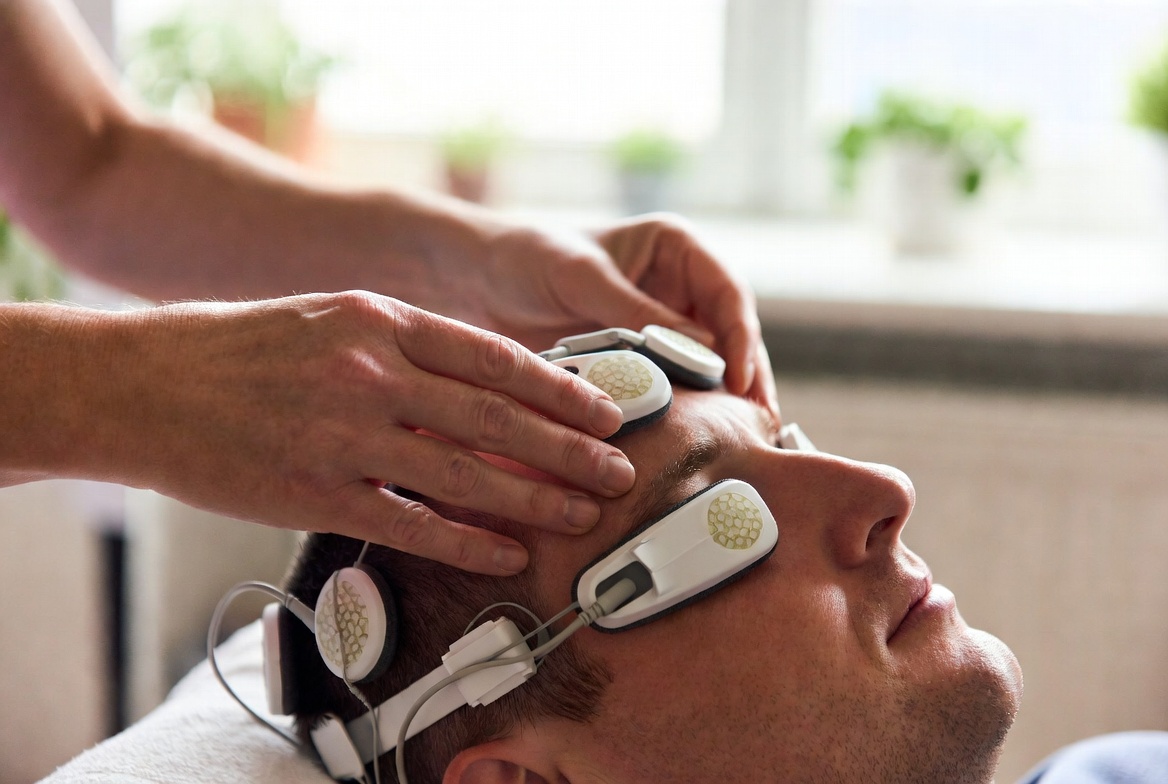
Neurofeedback Training is a revolutionary, drug-free method designed to help individuals learn effective strategies to calm their emotions, alleviate pain symptoms, and stabilize their attention. This approach not only fosters a sense of well-being but also enhances overall mental performance.
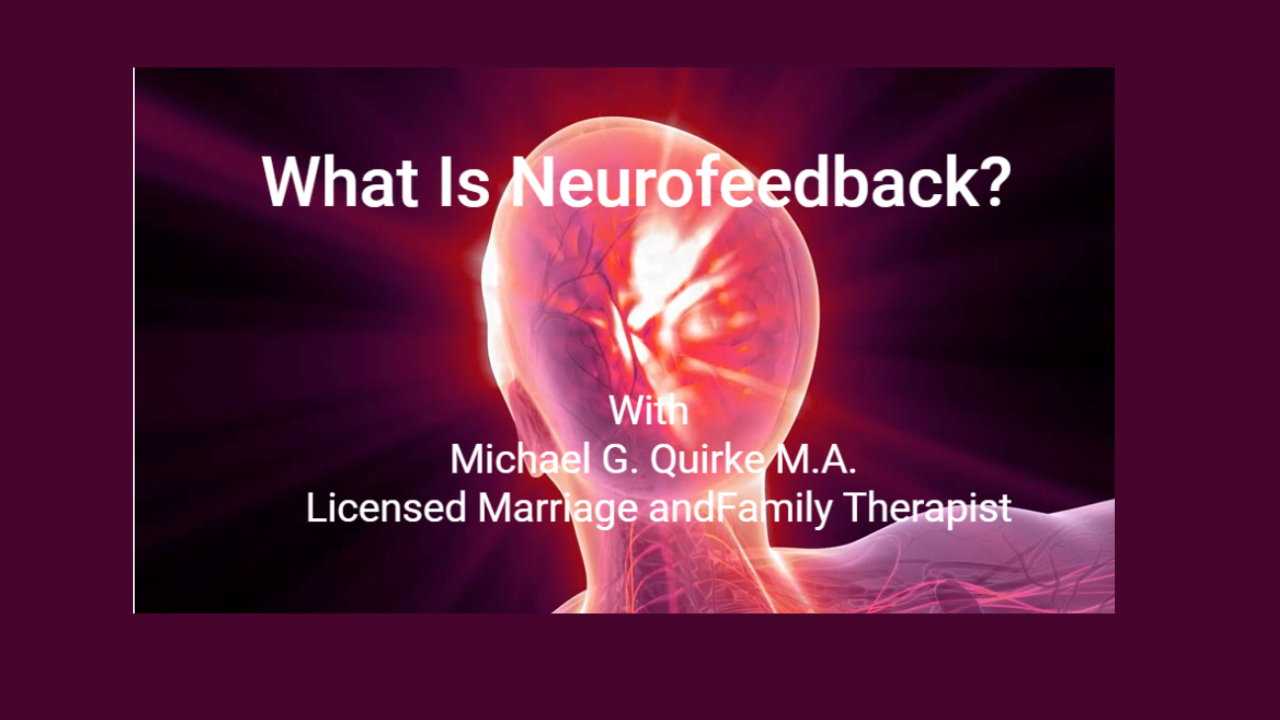
What Is Neurofeedback?
For decades, different forms of biofeedback have been utilized to train patients in making physiological changes. These methods have proven to be effective treatments for a variety of conditions, including stress, depression, anxiety, chronic pain, high blood pressure, and migraines, among others. Neurofeedback Training specifically focuses on brainwave activity, providing a unique toolkit for improving mental health and cognitive function.
With Neurofeedback Training, the primary objective is to help train your nervous system towards a calmer state while enhancing your brain’s ability to focus. Unlike other forms of biofeedback that rely heavily on conscious effort, Neurofeedback engages the brain’s non-conscious learning processes. For instance, while traditional biofeedback teaches patients to consciously control their heart rates, Neurofeedback allows the brain to develop self-regulation skills passively through engaging activities.
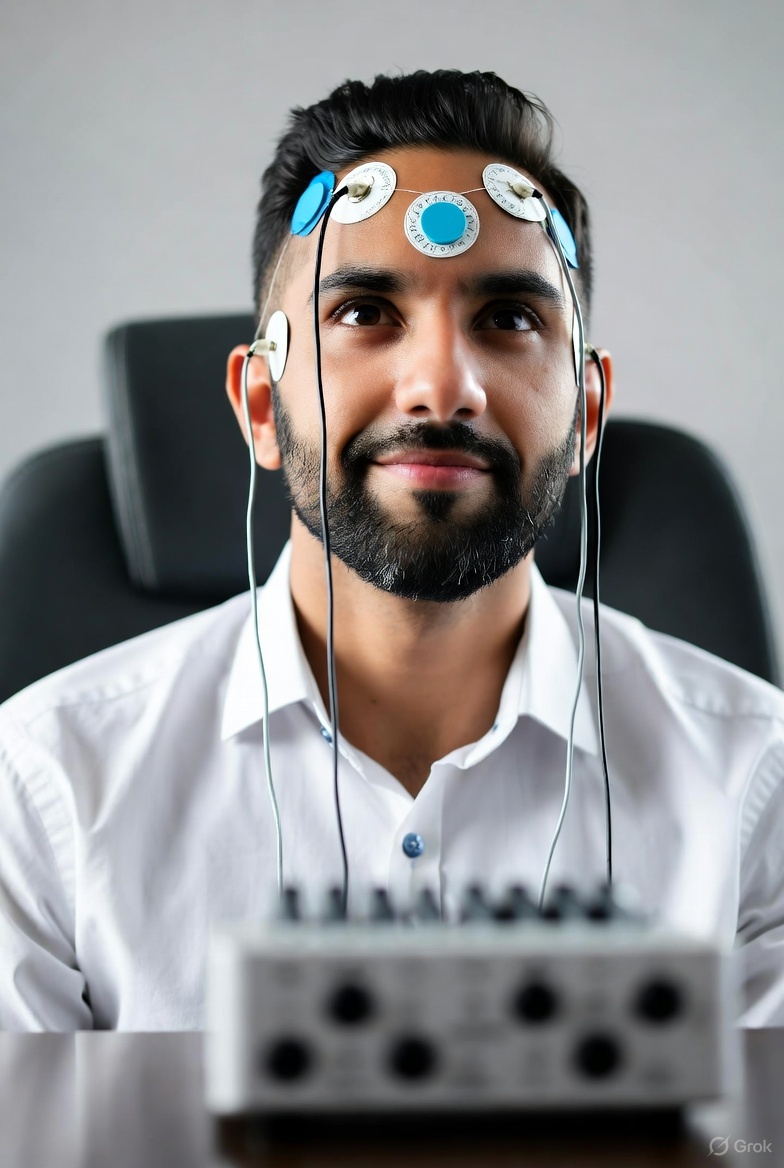
Neurofeedback is a form of biofeedback that evaluates and trains EEG brainwaves.
Neurofeedback Training operates on the principle that real-time feedback can lead to significant improvements in mental processes. This method taps into the brain’s innate capacity for change, making it a powerful tool for those seeking to improve their mental health.
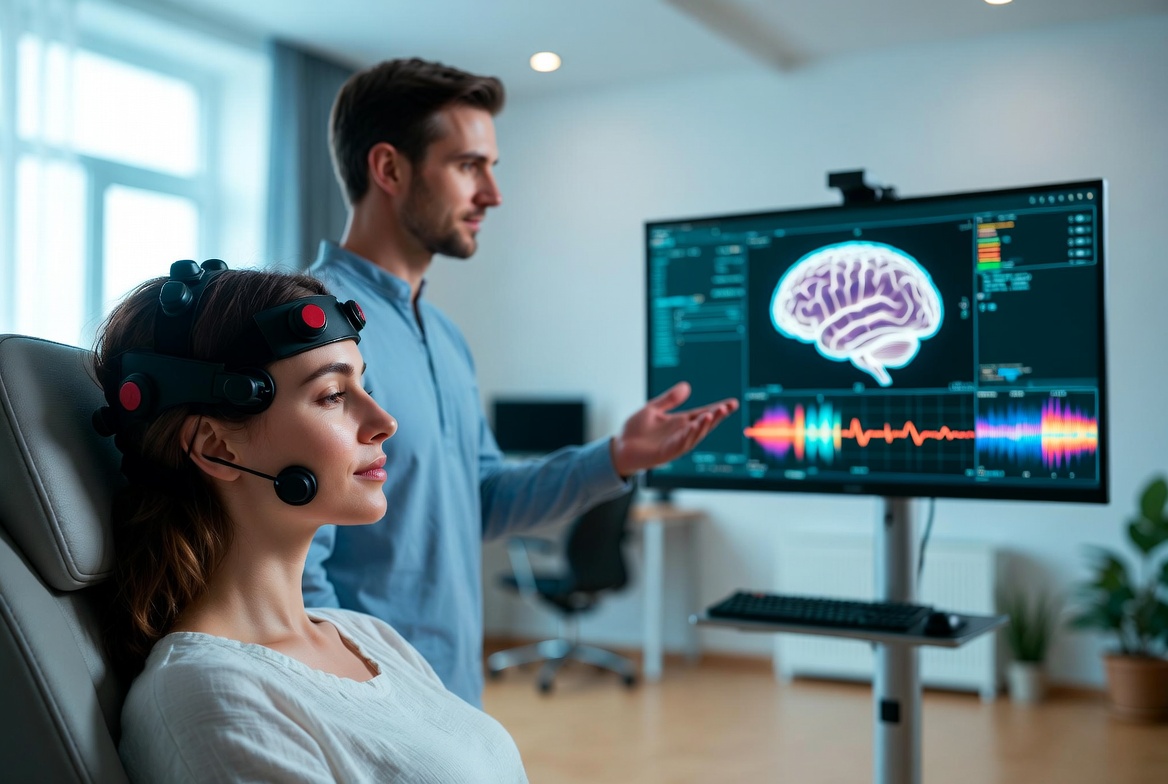
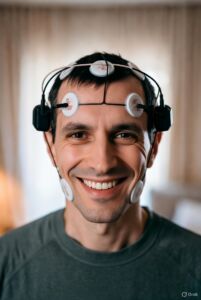
During sessions, you will typically engage with video games designed to provide real-time feedback. As you interact with these games, your brain learns to make necessary adjustments, resulting in enhanced mood, a calmer mind and body, and improved focus. This process not only makes therapy enjoyable but also highly effective.
Learn more about Neurofeedback Training
How Does NeurofeedbackTraining Work?
Each training session involves live feedback, delivered through visual and auditory cues. As you participate in simple video games, your brain learns to meet specific therapeutic parameters that I set based on your individual needs. This interactive approach ensures that the training is personalized and responsive.
The retraining process, as described, is crucial. As I often say to my clients, ‘Brains develop habits—some become anxious, others angry or depressed. Neurofeedback helps your brain learn new, healthier habits.’ This aspect of flexibility is central to the therapeutic process.
Furthermore, Neurofeedback Training has been applied in various settings, including schools for children with ADHD, clinics for PTSD treatment, and even in sports psychology to enhance focus and performance. The versatility of this approach makes it a valuable option for many seeking to improve mental health and cognitive abilities.
Studies have shown that participants in Neurofeedback Training often report a significant reduction in symptoms of anxiety and depression, as well as improvements in attention and emotional regulation. For example, a study published in a prominent psychology journal indicated that individuals undergoing Neurofeedback experienced a 40% decrease in anxiety levels over a series of sessions.
An in depth, comprehensive assessment will help me to guide the training so as to help you achieve the best possible therapeutic outcome.
What we are essentially doing is retraining, or reconditioning your brain.
I like to tell my clients, “Brains have habits. Some brains learn to be scared, some brains learn to be angry, some brains learn to be depressed. We are helping your brain become more flexible and learn a new habit”.
Articles On Neurofeedback Training

In addition to the articles referenced, there are numerous academic papers and studies that support the efficacy of Neurofeedback Training. For instance, recent meta-analyses have shown that this therapy can lead to lasting changes in brain function, which can improve symptoms of various psychological conditions.
Here is an interesting Newsweek article on Neurofeedback
http://www.newsweek.com/2016/05/20/neurofeedback-brain-regulation-neuroscience-457492.html
Here is a CNN story on Neurofeedback:
https://www.youtube.com/watch?v=Ztl6lclnkxg&feature=youtu.be
Here is an NBC news story on Neurofeedback for Migraine Treatment:
https://www.youtube.com/watch?v=m0YA-ye1DXc
Here is ABC news with another story on Neurofeedback for Migraine:
https://www.youtube.com/watch?v=e3iLhL3GQDk&feature=related
Here is a New York Times article on Neurofeedback training
And Finally, here is a TEDx talk about autism, learning disorders and Neurofeedback.
https://www.youtube.com/watch?v=4zyt0LCwbYI
Washington Post covers Neurofeedback therapy for PTSD
https://www.washingtonpost.com/national/health-science/therapists-are-using-neurofeedback-to-treat-adhd-ptsd-and-other-conditions/2015/01/16/b38e6cee-5ec3-11e4-91f7-5d89b5e8c251_story.html?utm_term=.4e1c0d5b3986#comments
https://www.sciencedaily.com/releases/2013/12/131203112213.htm
Neurofeedback for Depression
Neurofeedback for depression is particularly promising. Research indicates that by training brain waves associated with improved mood, individuals can experience fewer depressive symptoms. Many patients have shared their success stories, describing how they felt a renewed sense of hope and functionality.
https://mentalhealthdaily.com/2015/07/12/neurofeedback-for-depression-an-effective-treatment/
http://www.businessinsider.com/neurofeedback-brain-training-depression-2017-4
https://www.sciencedaily.com/releases/2017/09/170904093440.htm
Research On Neurofeedback
Moreover, the implications of Neurofeedback extend beyond treatment. Many individuals report that the skills they develop during sessions translate into their everyday lives, improving their relationships, job performance, and overall quality of life. This holistic enhancement is one of the most significant benefits of Neurofeedback Training.
The research surrounding Neurofeedback is extensive, with many studies validating its effectiveness. For example, a comprehensive review of existing literature found that Neurofeedback not only reduces symptoms but also enhances overall cognitive performance, providing a dual benefit for those who engage with this form of therapy.
If you are more of the academic sort, probably the best place to start would be here:
https://www.isnr.org/in-defense-of-neurofeedback
Or, here:
http://www.bcia.org/i4a/pages/index.cfm?pageid=3691
https://www.sciencedaily.com/releases/2013/12/131203112213.htm
To learn more about Neurofeedback therapy and how it can help you achieve a healthier, more balanced life, click here. Embrace the opportunity for profound change with Neurofeedback Training and unlock the potential for a brighter future.